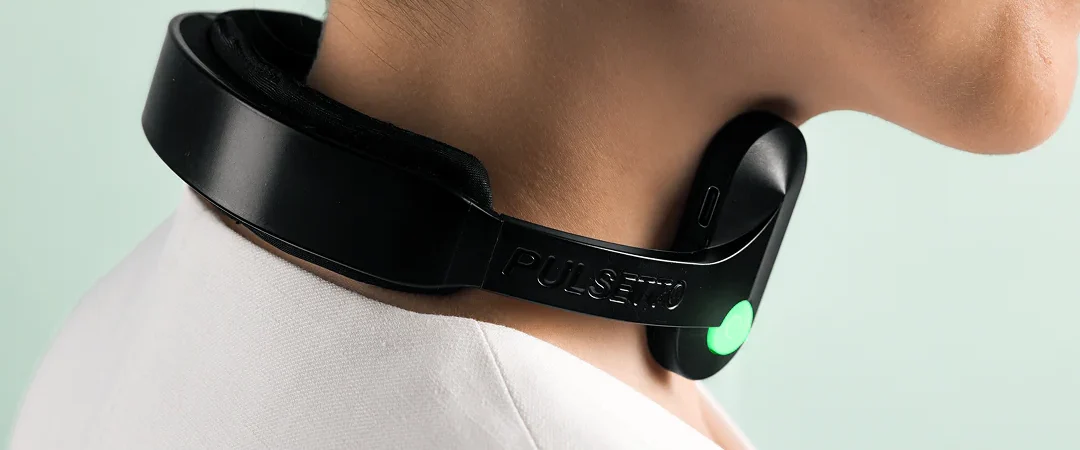
If you’re already using Pulsetto, this is the upgrade most people overlook.
The device works. That part’s pretty well established at this point.
But here’s the thing… most people who buy a Pulsetto vagus nerve stimulator stick it on their neck, run the basic program, and wonder why they’re not getting the results they’ve heard about from other users.
The difference between “yeah it’s okay I guess” and “holy crap this actually changed things” usually comes down to about three factors that nobody talks about in the basic instructions. And honestly, the company doesn’t make these super obvious because they’re trying to keep things simple for new users.
But you’re not a beginner anymore.
So let’s talk about the stuff that actually moves the needle when you’re past the “figuring out how to turn it on” phase.
The Placement Thing Everyone Gets Wrong
Here’s what happens with most new users. They read the instructions, see the general area where the device goes, and just… stick it somewhere on their neck.
Close enough, right?
Not really.
The vagus nerve has a pretty specific pathway along the side of your neck. And where it’s closest to the surface (which is where non-invasive stimulation actually works) is more precise than most people think.
We’re talking about a zone that’s maybe an inch wide.
Most users place the Pulsetto too high, almost behind their ear. That’s closer to where superficial nerves run, but the vagus nerve sits lower than that.
The sweet spot is usually about halfway between your earlobe and your collarbone, tucked just behind the big muscle (the sternocleidomastoid, but who cares what it’s called).
Here’s what advanced users do differently: They spend about 5-10 minutes during their first few sessions actually finding the exact spot. Not just guessing.
You can actually feel the difference when you hit the right location because the sensation changes from “surface tingling” to something that feels deeper, almost like a gentle pulse that goes down into your chest area.
Some people report a very slight feeling in their throat or a subtle change in their breathing pattern when they nail the placement. That’s your confirmation you’re actually hitting the vagus nerve pathway and not just stimulating random neck muscles.
The other thing that’s often missed… left vs right side matters more than the manual let’s on. The right vagus nerve connects more heavily to the heart, while the left side has stronger connections to digestive organs.
For people dealing with inflammation issues or gut-related conditions, the left side often produces better results.
For those working on heart rate variability or anxiety responses, the right side can be more effective.
(This isn’t a hard rule, and person anatomy varies, but it’s worth experimenting with both sides instead of just defaulting to one.)
The Protocol Almost Nobody Follows (But Should)
The standard recommendation is usually something like “use it for 10-15 minutes daily.” And sure, that works as a starting point.
But the people getting serious results are usually doing something more structured.
The Progressive Intensity Method is where most advanced users end up. Instead of jumping straight to whatever intensity feels “strong enough,” they start absurdly low.
Like… intensity level 2 or 3 on most devices, even when they can barely feel it.
The reasoning behind this comes from how nerve stimulation actually works. You’re basically training your vagus nerve to be more responsive.
And just like you wouldn’t walk into a gym and immediately try to deadlift 400 pounds, you don’t want to blast your nervous system at most settings right out of the gate.
Here’s a typical progression that works well:
Week 1-2: Intensity level 3-4, 10 minutes per day, focusing entirely on finding and maintaining proper placement
Week 3-4: Increase to intensity level 5-6, extend sessions to 15 minutes, start paying attention to which times of day feel most effective
Week 5+: Gradually increase intensity based on person response, experiment with 20-minute sessions or split sessions (morning and evening)
The split session approach is actually something a lot of advanced users swear by. Instead of one 20-minute session, they do 10 minutes in the morning and 10 minutes in the evening.
The theory (and there’s some research backing this up) is that you’re essentially “reminding” your nervous system twice a day to maintain better vagal tone, as opposed to giving it one strong signal and then nothing for 23 hours.
Timing matters way more than most people realize. Using the Pulsetto vagus nerve stimulator first thing in the morning, before caffeine, seems to set a better baseline for the rest of the day. Evening sessions about 60-90 minutes before bed can improve sleep quality, but using it right before bed sometimes makes people feel too “activated” to fall asleep easily.
For people dealing with chronic pain or inflammation, using the device when symptoms typically spike (often mid-afternoon for many inflammatory conditions) can be more effective than sticking to a random time just for consistency’s sake.
[CTA 1] If you haven’t grabbed a Pulsetto yet and you’re serious about optimizing your vagal tone with these advanced protocols, you can check out the current pricing and availability here. The standard model works fine for everything I’m covering in this article.
The Combination Strategy That Changes Everything
Here’s where it gets interesting for people who are really trying to improve.
Using the device by itself works. But pairing it with specific activities during or immediately after stimulation seems to amplify the effects significantly.
Breathwork during stimulation is probably the most powerful combination. Your vagus nerve is heavily involved in respiratory control, so when you’re actively stimulating it while also doing slow, controlled breathing, you’re essentially working on the same system from two different angles.
The specific pattern that works best for most people: 4-count inhale, 6-count exhale (or any variation where the exhale is longer than the inhale). This activates parasympathetic response naturally, and when combined with vagus nerve stimulation, the effects compound.
Some users report that doing this combination for 10-15 minutes produces a noticeable state of calm that lasts for several hours. For people dealing with anxiety or stress-related conditions, this combo often works better than either technique alone.
Cold exposure is another pairing that’s gotten attention lately. The vagus nerve responds to cold, which is why cold water on your face or neck can trigger a parasympathetic response (the “dive reflex”).
Some advanced users are doing brief cold showers (or even just splashing cold water on their face and neck) right before or after using their Pulsetto.
The combination seems to train the nervous system to handle stress more effectively over time. It’s uncomfortable at first (obviously), but people who stick with it for a few weeks often report better stress resilience in general.
Meditation or mindfulness practices during stimulation make sense logically, but the timing matters. Trying to maintain focused meditation while you’re first figuring out the device and the sensation is distracting.
But once you’re comfortable with how it feels, using the 10-15 minute stimulation session as your meditation period can deepen the practice.
The device essentially gives your nervous system a physical anchor to the parasympathetic state you’re trying to access through meditation, which can be especially helpful for people who struggle with “monkey mind” during traditional meditation.
| Combination Strategy | Best For | Timing | Typical Duration |
| Slow breathing (4:6 pattern) | Anxiety, stress, HRV optimization | During stimulation | 10-15 minutes |
| Cold exposure | Stress resilience, inflammation | Before or after stimulation | 2-5 minutes cold |
| Meditation/mindfulness | Mental clarity, emotional regulation | During stimulation | 15-20 minutes |
| Light movement/stretching | Chronic pain, mobility issues | After stimulation | 10-15 minutes |
| Sleep routine | Insomnia, sleep quality | 60-90 min before bed | 10-15 minutes |
When These Advanced Approaches Actually Work Best
Not every condition or situation responds the same way to vagus nerve stimulation, and the advanced protocols make an even bigger difference for specific scenarios.
For treatment-resistant depression or anxiety, the combination approach (stimulation + breathwork or meditation) during morning sessions seems to produce the most consistent results. The theory is that you’re essentially resetting your baseline nervous system state for the day, which then influences how you respond to stressors throughout the day.
People dealing with these conditions who use basic protocols (just the device, random timing, inconsistent placement) often report minimal effects. But when they tighten up the protocol… consistent morning use, proper placement verified by the sensation feedback, combined with even just 5 minutes of slow breathing… that’s when you start seeing reports of noticeable mood improvements over 4-6 weeks.
For chronic inflammation conditions (autoimmune stuff, gut issues, inflammatory pain), the timing around symptom patterns matters more than strict daily consistency. Some users track their inflammation markers or pain levels and use the device strategically when they notice early signs of a flare-up, as opposed to just mindlessly doing it at the same time every day regardless of what their body is doing.
The Pulsetto vagus nerve stimulator works partly by activating the “cholinergic anti-inflammatory pathway,” which is a fancy way of saying it can help reduce systemic inflammation through nervous system signaling. But this effect seems to be more powerful when you’re catching inflammation as it’s building as opposed to trying to knock down a full-blown flare that’s already raging.
For sleep optimization, the evening protocol (60-90 minutes before bed, combined with reduced screen time and possibly some light stretching) produces better results than using the device randomly during the day and hoping it somehow improves sleep later.
The vagus nerve influences your circadian rhythm and the transition from sympathetic (alert) to parasympathetic (rest) states. By using stimulation deliberately as part of your wind-down routine, you’re essentially training your nervous system to make that transition more efficiently.
For biohackers focused on HRV and performance, the morning session combined with HRV tracking creates a feedback loop that let’s you improve both timing and intensity. If you’re tracking HRV regularly (with a Whoop, Oura, or similar device), you can see pretty quickly whether your protocol is actually improving your scores or not.
Some users adjust their intensity or duration based on their HRV readings… lower intensity on days when HRV is already high, slightly longer sessions on days when HRV is suppressed. This kind of responsive approach requires more attention and tracking, but it’s definitely the next-level optimization strategy for people who are serious about measurable results.
[CTA 2] You can grab the Pulsetto here if you want to start implementing these advanced protocols. They occasionally run promotions, so it’s worth checking current pricing.
The Maintenance Factor Nobody Talks About
Here’s something that doesn’t come up much in basic guides but matters for long-term effectiveness.
The electrode gel situation. The device works best with good electrical contact, which means the electrode pads need to be clean and properly moistened. A lot of users just use water or saliva to wet the pads, which works okay short-term.
But advanced users have figured out that using actual electrode gel (the kind used for medical devices or TENS units) makes a significant difference in consistent stimulation. It’s cheap, lasts forever, and produces better electrical conductivity than water alone.
The sensation is more consistent, the stimulation feels more effective, and you don’t have to constantly re-wet the pads during longer sessions. It’s a small upgrade that has an outsized impact on results.
Pad replacement timing is another thing people miss. The electrode pads gradually lose effectiveness as they accumulate skin oils and debris, even with cleaning.
Most manufacturers suggest replacing them every few months, but heavy users (daily 20-minute sessions) often notice better results when they swap them out monthly.
You can tell the pads are wearing out when you need to crank the intensity higher to get the same sensation, or when the stimulation starts feeling spotty or inconsistent. Fresh pads bring the effectiveness back immediately.
The Tracking Approach That Actually Shows If It’s Working
Most people use their Pulsetto for a few weeks, decide subjectively whether they “feel better,” and then either stick with it or abandon it based on that vague assessment.
Advanced users track specific metrics before and after starting a protocol.
For anxiety/stress: Resting heart rate, HRV, subjective anxiety rating (1-10 scale), number of panic episodes per week
For inflammation/autoimmune conditions: Pain levels (1-10 scale), number of flare days per month, specific inflammatory markers if you’re getting regular bloodwork
For sleep: Sleep latency (time to fall asleep), number of night wakings, subjective sleep quality rating, waking heart rate
For depression: Mood rating (daily check-in, 1-10 scale), number of “good days” vs “bad days” per week, motivation level, energy level
The specific metrics matter less than the consistency of tracking. You need baseline data from before you started, and then regular data points as you implement the advanced protocols.
That’s the only way to know objectively whether the device and your protocol are actually working or whether you’re just experiencing placebo effect or random life improvements.
[CTA 3] If you’re ready to move past basic usage and actually improve your results with the Pulsetto vagus nerve stimulator, you can order one here and start implementing these strategies immediately.
The Integration Strategy for Stacking Treatments
For people who are already doing other treatments (whether conventional medications, supplements, or other choice approaches), figuring out how vagus nerve stimulation fits into the stack can be tricky.
With medications: The vagus nerve influences inflammation, heart rate, digestion, and mood… which means it potentially interacts with medications targeting those same systems. Most users find that vagus nerve stimulation works alongside medications without issues, but some people report being able to reduce medication doses over time as their nervous system becomes more balanced.
(Obviously, any medication changes need to be done with medical supervision. But it’s worth noting that some advanced users are deliberately using vagus nerve stimulation as part of a strategy to eventually reduce pharmaceutical dependence.)
With supplements: Things like magnesium, omega-3s, and adaptogens work partly by supporting nervous system function. When combined with direct vagus nerve stimulation, the effects can be complementary.
Some users report that supplements they’d been taking for months suddenly seem more effective once they add consistent vagus nerve stimulation to their routine.
With other vagus nerve techniques: Gargling, singing, cold exposure, and other DIY vagus nerve activation methods work through different mechanisms than electrical stimulation. Some advanced users are combining multiple approaches… using the Pulsetto for direct electrical stimulation in the morning, then doing cold showers or gargling exercises at other times during the day.
The added effect of multiple vagus nerve inputs throughout the day seems to produce better long-term vagal tone improvements than relying on just one method.
The Patterns That Emerge After Three Months
Here’s what advanced users typically report after they’ve been using optimized protocols for 12+ weeks:
Week 1-2: Mostly figuring out placement and getting used to the sensation. Maybe some subtle relaxation effects immediately after sessions, but nothing dramatic.
Week 3-6: Starting to notice patterns. Better stress response, slightly improved sleep, maybe some reduction in inflammation or pain levels.
Effects are clearer but still somewhat inconsistent.
Week 7-12: The baseline starts to shift. Instead of just feeling better temporarily after sessions, there’s a noticeable improvement in overall nervous system function. Stress events that used to trigger hours of anxiety now resolve more quickly.
Sleep becomes more consistent.
Inflammatory symptoms are less frequent or less severe.
After 12 weeks: For most people who stick with proper protocols, vagus nerve stimulation becomes a maintenance tool as opposed to an acute treatment. The nervous system has adapted to better vagal tone, and the daily sessions help maintain that new baseline as opposed to trying to rescue a dysregulated system.
This pattern shows up consistently in user reports, but it requires consistent use with proper technique. People who use the device sporadically or with poor placement tend to stay stuck in the “subtle temporary effects” phase and never reach the point where baseline nervous system function actually improves.
[CTA 4] You can order the Pulsetto through this link if you’re committed to implementing these advanced protocols for at least 12 weeks. That’s the timeframe where the real shifts start happening.
The Reality Check for Advanced Users
Even with optimized protocols, vagus nerve stimulation doesn’t work for everyone, and it definitely isn’t a magic fix for serious medical conditions.
The people who get the best results are usually the ones who’ve already tried multiple other approaches, who track their data consistently, who pay attention to their body’s responses, and who are willing to adjust their protocol based on what’s actually working as opposed to just following instructions mindlessly.
If you’ve been using your Pulsetto casually and haven’t seen much improvement, these advanced strategies are worth trying before you write off the technology entirely. The difference between basic use and optimized use can be significant.
But if you’ve never tried vagus nerve stimulation at all and you’re dealing with chronic issues that conventional treatments haven’t resolved, starting with a structured approach (proper placement, consistent timing, combination strategies, tracking metrics) will give you the best shot at actually seeing benefits.
The device works through legitimate physiological mechanisms. The vagus nerve controls real functions in your body.
Electrical stimulation can genuinely influence those functions.
But like most health interventions, the details of implementation matter way more than most people realize.
[CTA 5] Ready to grab a Pulsetto and start implementing these advanced optimization strategies? Check current availability and pricing here.
Final Thoughts on Optimization
The gap between “I tried it and it was fine I guess” and “this actually changed things for me” usually comes down to precision, consistency, and strategic thinking.
Finding the exact placement that hits the vagus nerve pathway as opposed to just sticking it somewhere on your neck.
Following a progressive intensity protocol as opposed to just cranking it up to whatever feels strong.
Combining stimulation with breathwork, cold exposure, or meditation as opposed to using it in isolation.
Timing sessions strategically based on your symptoms and goals as opposed to just doing it whenever you remember.
Tracking actual metrics as opposed to relying on vague feelings about whether it’s working.
These are the things that separate advanced users getting measurable results from beginners who try the device for two weeks and decide it doesn’t work.
The Pulsetto vagus nerve stimulator gives you a tool for directly influencing your nervous system. But like any tool, the results depend entirely on how you use it.